
Root Canal Treatment in Nepean
Modern endodontic therapy to save teeth and relieve pain.

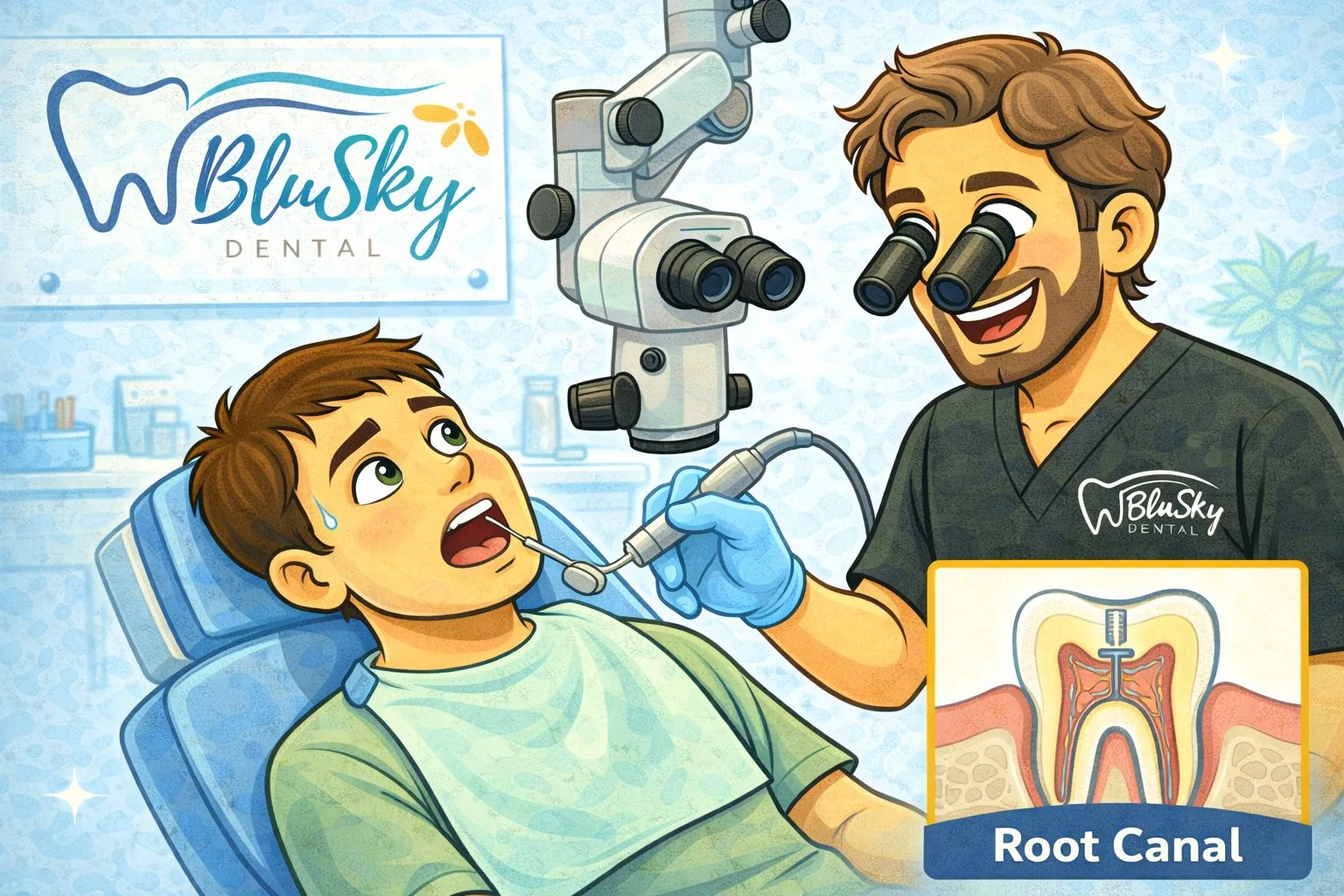
Understanding Root Canal Treatment
Root canal therapy, also called endodontic treatment, is one of dentistry's greatest advances for saving teeth. Many people fear root canals because of outdated misconceptions, but modern techniques make the procedure comfortable and highly successful. The goal is always to save your natural tooth whenever possible.
WHAT IS THE PULP? Each tooth contains a pulp chamber—a small space inside the tooth that holds the nerve and blood vessels. The pulp extends from the crown to the tip of the root through tiny channels called root canals. When you're young, the pulp helps the tooth grow and develop. Once a tooth is fully mature, it can survive without the pulp because the tooth continues to be nourished by surrounding tissues.
WHEN DOES THE PULP BECOME INFECTED? The pulp can become inflamed or infected for several reasons: - Deep decay that penetrates to the pulp - Repeated dental procedures on the same tooth - Faulty crowns or fillings - Trauma to the tooth (crack, chip, or blow to the mouth) - Severe gum disease that allows bacteria to reach the pulp
When bacteria invade the pulp, they cause infection and inflammation, leading to pain, swelling, and eventually abscesses if left untreated. Root canal treatment removes the infected pulp, eliminating the source of pain and infection.
Symptoms Of Pulp Infection
Common signs that you may need root canal therapy include: - Severe toothache pain when chewing or applying pressure - Pain in response to hot or cold (especially lingering pain after the stimulus is removed) - Discoloration or darkening of the tooth - Swelling and tenderness in nearby gums - A small pimple-like bump on the gums near the problem tooth
Importantly, some infected teeth cause no symptoms. This is why regular dental exams are crucial—we can detect pulp infections before they cause pain or serious complications.
The Root Canal Procedure
Root canal therapy typically takes 60–90 minutes, though complex cases may require longer. Here's what happens:
1. DIAGNOSIS - We take digital X-rays to visualize the root canal system and assess the extent of infection.
2. ANESTHESIA - We apply a topical numbing gel and inject local anesthetic to thoroughly numb the tooth and surrounding area. You'll feel no pain during the procedure, though you may feel pressure and vibration.
3. ISOLATION - We place a rubber dam around the tooth to keep it dry and prevent saliva contamination during treatment.
4. ACCESS - We create an opening in the crown of the tooth to access the pulp chamber.
5. PULP REMOVAL - Using specialized files of increasing diameter, we carefully remove the infected pulp from the pulp chamber and root canals. Modern rotary instruments make this process efficient and gentle.
6. CANAL CLEANING - We clean and shape the canals using antimicrobial solutions to remove all bacteria and infected tissue.
7. FILLING - Once the canals are clean and dry, we fill them with a biocompatible material called gutta-percha (a rubber-like substance) combined with an adhesive sealer. This filling seals the canal system, preventing future bacterial invasion.
8. RESTORATION - We place a temporary or permanent filling in the access hole. Root canal-treated teeth often require a crown or other restoration to protect them and restore function.
Modern Techniques For Comfort
We use several modern advances to make root canal therapy comfortable: - Electric pulp testers to confirm pulp vitality accurately - Rotary instruments for efficient, gentle pulp removal - Warm, continuous flow irrigation systems - Digital imaging for precise diagnosis and navigation - Nitrous oxide (laughing gas) for additional relaxation if desired
Post-Treatment Care
After root canal therapy, you may experience minor discomfort for a few days as your body heals. Over-the-counter pain relievers usually manage this mild sensitivity. You should avoid chewing on the treated tooth until it receives a crown or final restoration. Most people return to normal activities the next day.
Success Rates
Root canal therapy has a success rate of 86–98%, depending on the tooth and complexity of the case. The most important factor for long-term success is proper restoration of the tooth after treatment. A tooth that has had root canal therapy is more fragile than before and should be protected with a crown or other restoration.
WHEN IS EXTRACTION AN ALTERNATIVE? While we always try to save your natural tooth, some teeth cannot be saved. Extraction might be necessary if: - The tooth is severely fractured below the gum line - There's severe bone loss around the tooth - The tooth is not restorable - The tooth cannot support a crown or other restoration
If extraction becomes necessary, we'll discuss tooth replacement options, including implants, bridges, or dentures.
Keep Your Natural Teeth Whenever Possible
Your natural tooth is almost always the best option. Root canal therapy saves infected teeth with a high success rate. Modern techniques make the procedure comfortable and predictable.
Root Canal Therapy FAQs
No. We thoroughly numb the tooth and surrounding area before starting, so you feel no pain during the procedure. You may feel pressure and vibration from instruments, but no pain. If you experience any discomfort, let us know immediately and we'll apply more anesthetic. Many patients find root canal therapy less uncomfortable than having a cavity filled.
Root canal treatment removes infected or inflamed pulp, which eliminates pain and prevents serious complications like abscesses, bone loss, and systemic infection. Saving your natural tooth is almost always preferable to extraction.
A tooth that has had root canal therapy can last a lifetime if properly cared for and restored. The key is protecting it with a crown or other restoration and maintaining good oral hygiene. Some root canal-treated teeth last 20+ years or longer.
Most teeth requiring root canal therapy will need a crown or other restoration. Root canal-treated teeth become more brittle over time and need the protection and stability that a crown provides. Your dentist will discuss the best restoration option for your tooth.
Root canal therapy has a success rate of 86–98%. If treatment fails, you might need retreatment (called endodontic retreatment), apical surgery, or extraction. We'll discuss these options if any complications arise.
What Patients Say About Root Canal Treatment
Patients are relieved to find root canal therapy far more comfortable than expected, with quick pain relief and gentle care throughout.
See all reviews on GoogleThe staff at the BluSky Dental Centrepointe location are always very professional and friendly. A special shoutout to Hygenist Mandi Smith!
Fantastic dental care! Dr. Hill is a very caring and fantastic dentist. He has been my dentist last 20+ years He is an outstanding dentist!

Questions About Root Canal Treatment?
Call: (613) 224-8600
Email: centrepointereception@blusky.dental
Hours: Monday–Friday: 8am–5pm | Saturday & Sunday: Closed
BluSky Dental Centrepointe — Your neighborhood dentist in Nepean, Ottawa.